
bulletproof glass for windows
Understanding the Main Water Supply Valve A Crucial Component for Homeowners The main water supply valve is an essential component of any plumbing system, serving as the primary control point for the flow of water into a home. This valve is fundamental not just for managing water supply, but also for ensuring the safety and efficiency of your plumbing system. Understanding where it is located, how to operate it, and why it is important can empower homeowners to take better control of their water usage and respond effectively in emergencies. Location and Identification Typically, the main water supply valve can be found near where the water line enters your home. This is often located in the basement, crawl space, or on an exterior wall, depending on the design of the house and regional plumbing codes. It is usually positioned close to the foundation and might be encased in a box or compartment. The valve will generally be a round wheel or a lever. Identifying the main valve in your home is crucial, as knowing its location allows for quick action in case of a plumbing issue. Functionality and Operation The primary function of the main water supply valve is to control the flow of water into your home . In the event of a plumbing leak, burst pipe, or other water-related emergencies, being able to quickly turn off this valve can minimize damage and water waste. When operating the valve, it is important to turn it clockwise to close and counterclockwise to open it. Regularly testing the valve to ensure it operates smoothly is a good practice, as valves can sometimes become stuck or corroded over time. main water supply valve Importance in Emergencies Understanding the main water supply valve’s role is particularly important during emergencies. For instance, if you notice water pooling on your floor or discolored water from your taps, being able to swiftly shut off the main supply can prevent extensive damage to your property. Furthermore, in areas prone to freezing temperatures, shutting off the main valve can help prevent pipes from freezing and bursting. Maintenance Tips Maintaining your main water supply valve is simple yet vital. Regularly inspect the valve for signs of corrosion or wear. If the valve is difficult to operate or if you notice leaks around it, consider contacting a plumber for inspection and possible replacement. Additionally, ensure the area around the valve is clear and accessible to facilitate any needed maintenance. Conclusion In summary, the main water supply valve is a small but mighty part of your home’s plumbing system. Understanding its location, how to operate it, and the importance it holds in emergency situations equips homeowners to take proactive measures in maintaining their water supply. By regularly checking the valve and knowing how to quickly shut it off when necessary, you can help protect your home from potential water damage and ensure a well-functioning plumbing system. As with any critical home feature, awareness and maintenance are key to safeguarding your property and enhancing your overall water management.
about
bulletproof glass for windows
Understanding Water Gate Valve Types Water gate valves are essential components in various water management systems, serving as crucial mechanisms for controlling the flow of water. As the industry progresses, the technology and design of these valves have evolved, leading to a range of types that cater to different operational needs and environments. In this article, we will delve into the primary types of water gate valves, their applications, and their advantages. 1. Wedge Gate Valves Wedge gate valves are among the most commonly used types in water applications. They feature a wedge-shaped gate that fits snugly in the valve body when closed, ensuring a tight seal and preventing flow. The main advantage of wedge gate valves is their ability to handle high pressure and temperature, making them suitable for various environments, including water distribution systems and industrial applications. Applications Wedge gate valves are commonly found in municipal water supply systems, wastewater treatment facilities, and irrigation systems. Their robust design and reliability make them a preferred choice for infrastructure projects. 2. Parallel Slide Gate Valves Parallel slide gate valves utilize two parallel gates that move in and out of the valve body to control flow. This design ensures a minimal turbulence and allows for smoother operation, especially in larger pipelines. Unlike wedge gate valves, parallel slide valves provide a more consistent sealing surface, which can improve longevity and reduce wear. Advantages One of the key advantages is their low torque requirement for operation, which translates to reduced wear on the actuator and longer service life. They are particularly effective in applications where the flow rate must be controlled with precision. Applications These valves are often used in large-scale industrial applications, such as power plants and large water treatment facilities, where high flow rates need to be managed. 3. Butterfly Valves While not traditionally classified as gate valves, butterfly valves serve a similar purpose by regulating flow. They consist of a disc that rotates around a shaft; when the disc is parallel to the flow, the valve is open, and when it is perpendicular, the valve is closed. Butterfly valves are lightweight and compact, making them ideal for applications with space constraints. Advantages The primary benefit of butterfly valves is their ease of operation and low pressure drop, making them efficient for many flow scenarios. They can also be used for throttling flow in addition to acting as a shut-off valve. water gate valve types Applications Commonly utilized in water supply, wastewater treatment, and fire protection systems, butterfly valves are favored for their straightforward design and ease of maintenance . 4. Knife Gate Valves Knife gate valves are designed for applications that involve slurries or solids in the flow. They feature a sharpened gate that can cut through material, which makes them suitable for handling thick fluids and sludge. This type of valve is particularly valuable in wastewater treatment and mining industries. Advantages The design allows for easy clearing of material that might accumulate around the valve, reducing the risk of clogging. They are also available in manual and automated versions, providing flexibility in operation. Applications Knife gate valves are widely used in sewage treatment plants, paper mills, and chemical processing industries. 5. Pneumatic and Electric Gate Valves Pneumatic and electric gate valves are operated using air or electric actuators, making them ideal for remote operation in applications where manual handling is impractical. These valves provide quick and reliable control over water flow, enhancing efficiency in operations. Advantages The automation of valve operation improves safety and reduces the need for human intervention, leading to more consistent performance and reduced operational costs. Applications They are frequently used in large-scale water distribution systems, where the ability to quickly control flow is critical. Conclusion The selection of the appropriate water gate valve type depends on various factors, including the specific application, pressure requirements, and environmental conditions. Understanding the different types of valves and their advantages can help ensure efficient water management and infrastructure systems. Whether deploying wedge, parallel slide, butterfly, knife gate, or automated valves, each type plays a pivotal role in the control and distribution of water resources in a safe and effective manner.
-

High quality industrial productsagement

High quality industrial products
View Details -

Meet the diverse needs of customers

Meet the diverse needs of customers
View Details -

Strict quality control

Strict quality control
View Details -

Top raw materials

Top raw materials
View Details -

Trusted supplier

Trusted supplier
View Details
Our application


news and information
valve water
Understanding Valve Water The Key to Efficient Water Management Water is one of the most vital resou
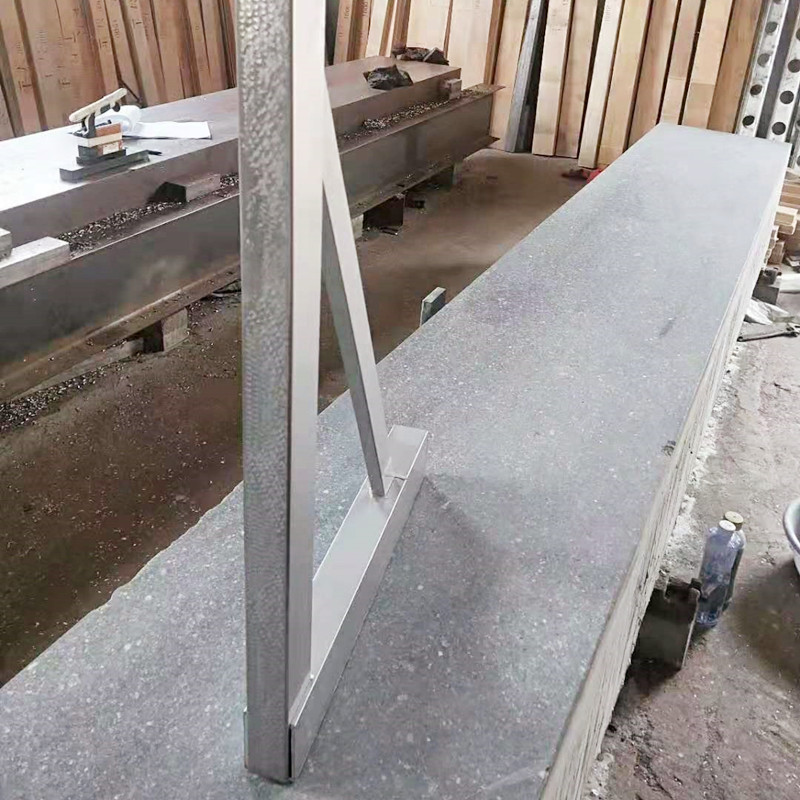
Vendita di gauge a spina di alta qualità disponibile online
Misuratori a Pugno in Vendita La Scelta Ideale per Ogni Professionista I misuratori a pugno, noti an
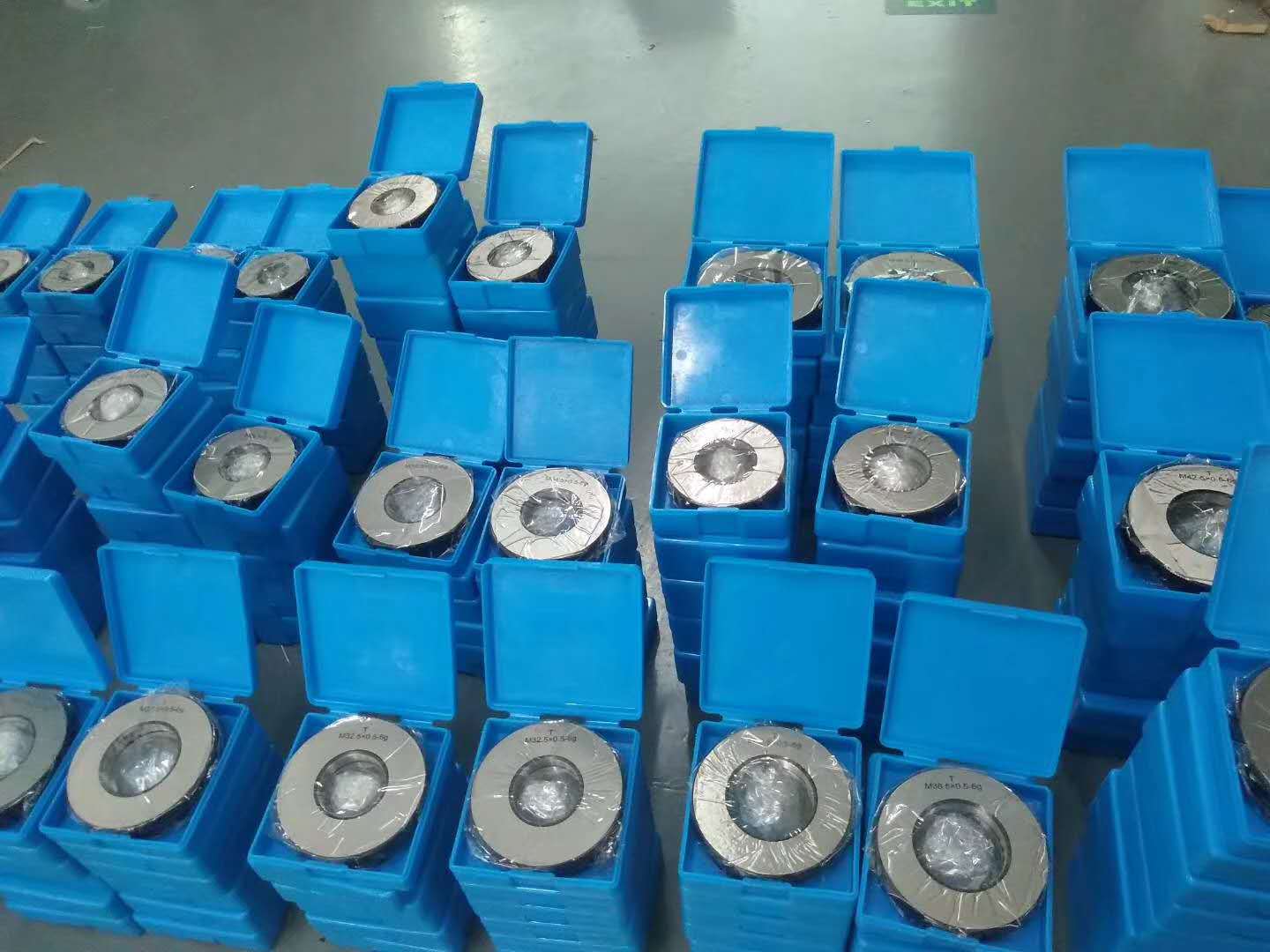
water valve 1 2
Understanding Water Valve 1-2 Functionality and Applications Water valves are essential components i
 English